
Radio Nowhere
Images from the Southern California desert and the music of "The Boss"

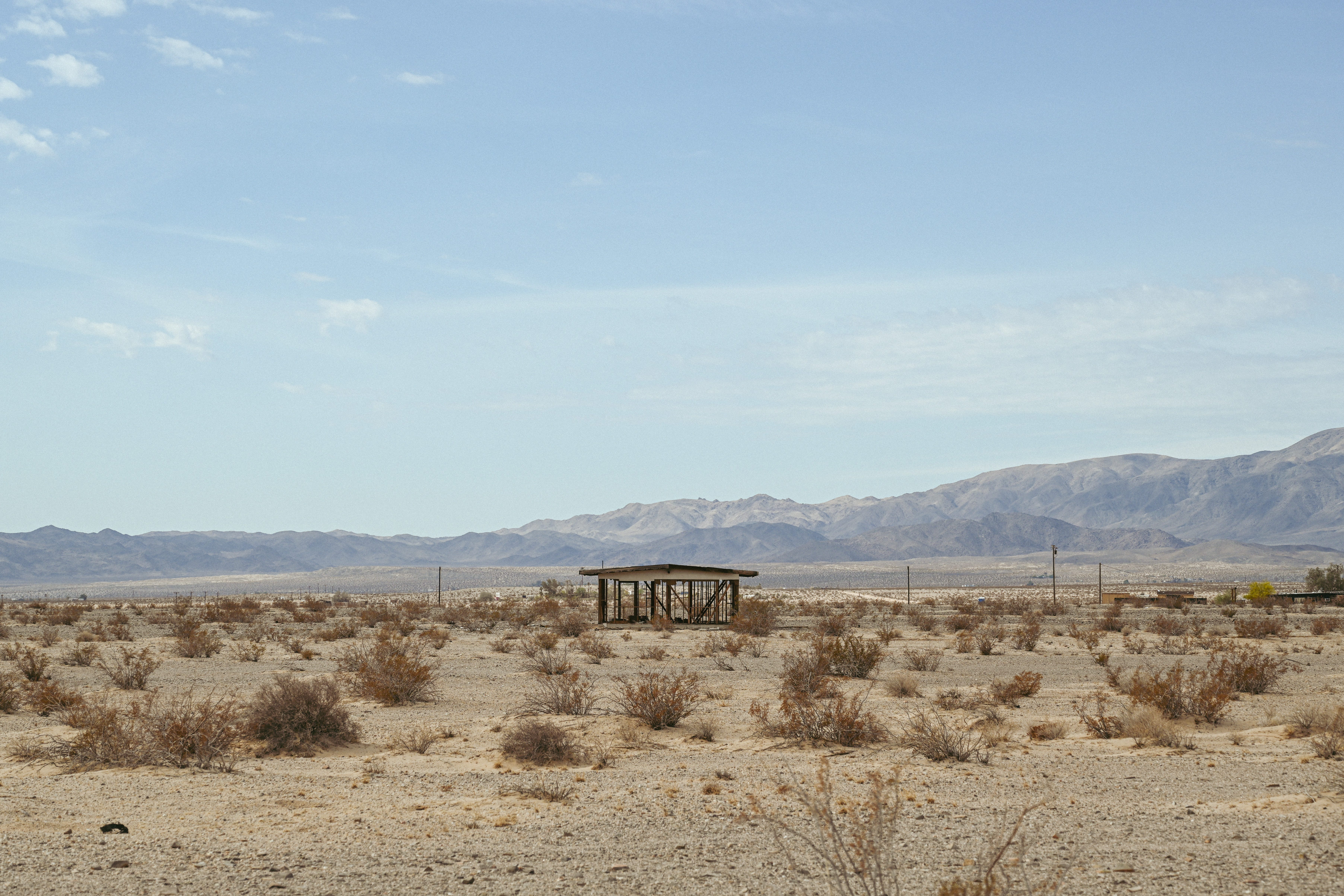
It’s been a busy few months — but we’re back for the third installment of my photography newsletter. The origins of this dispatch: A trip to the Joshua Tree National Park region for my longtime friend Brady’s wedding over the first weekend of May.
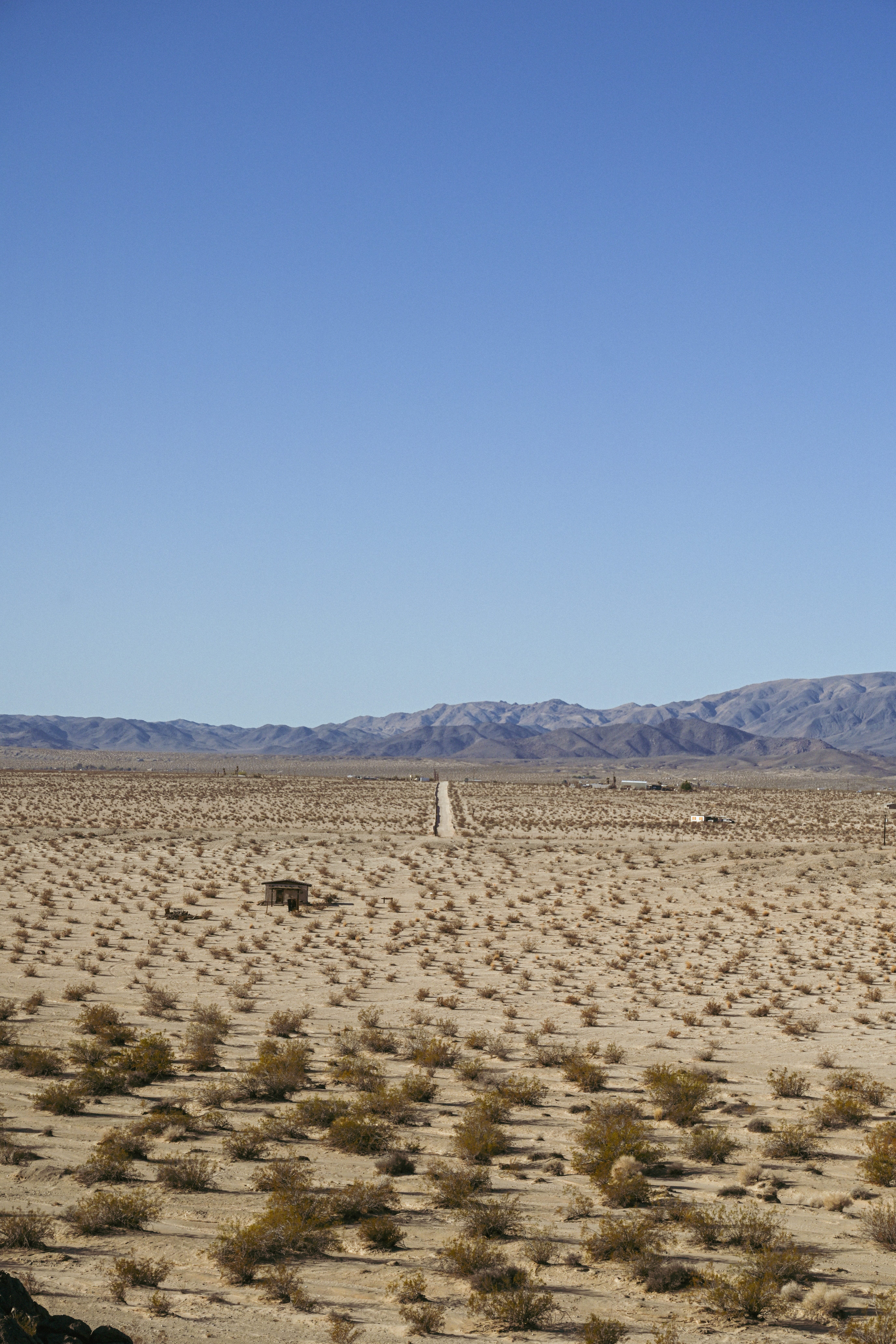
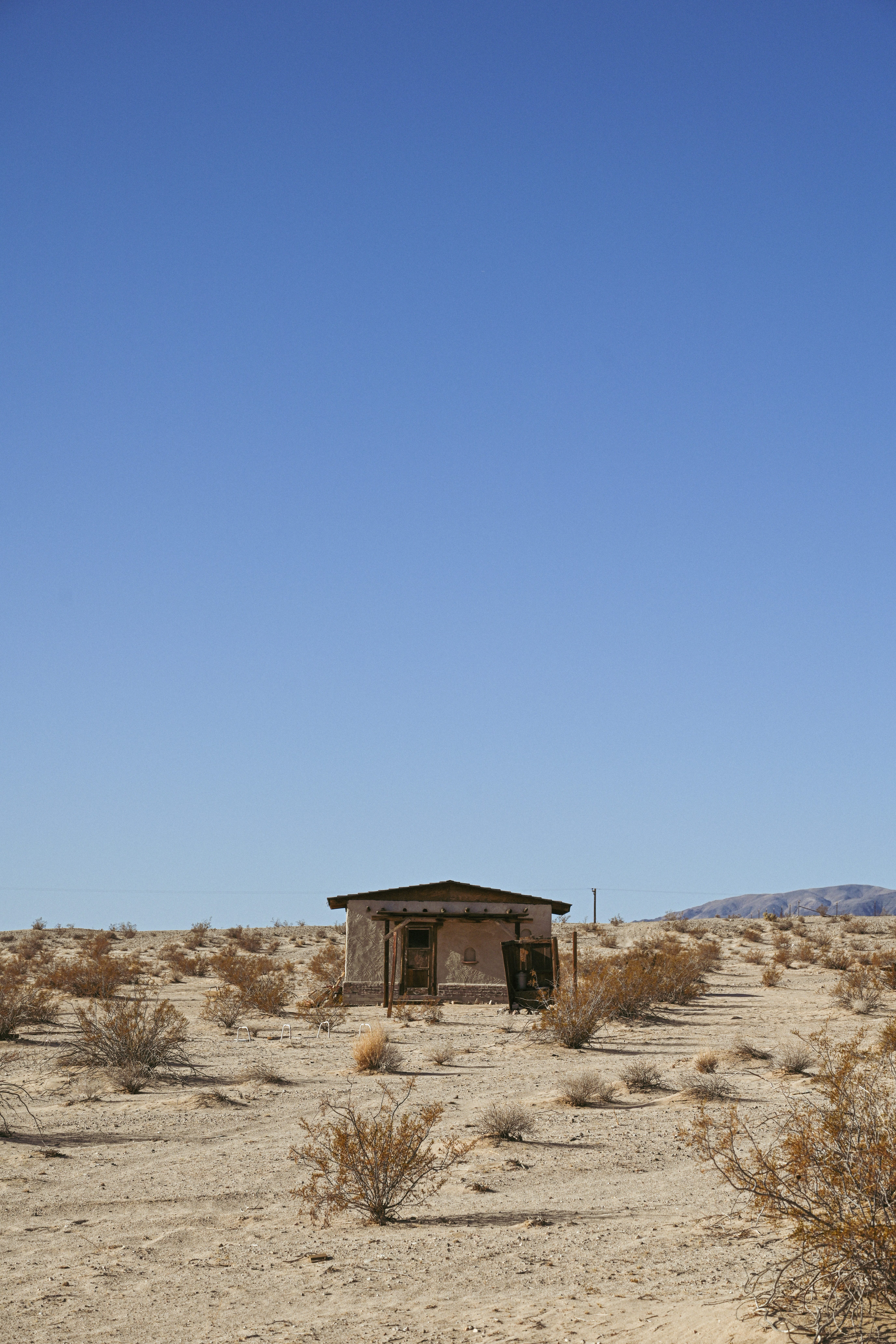
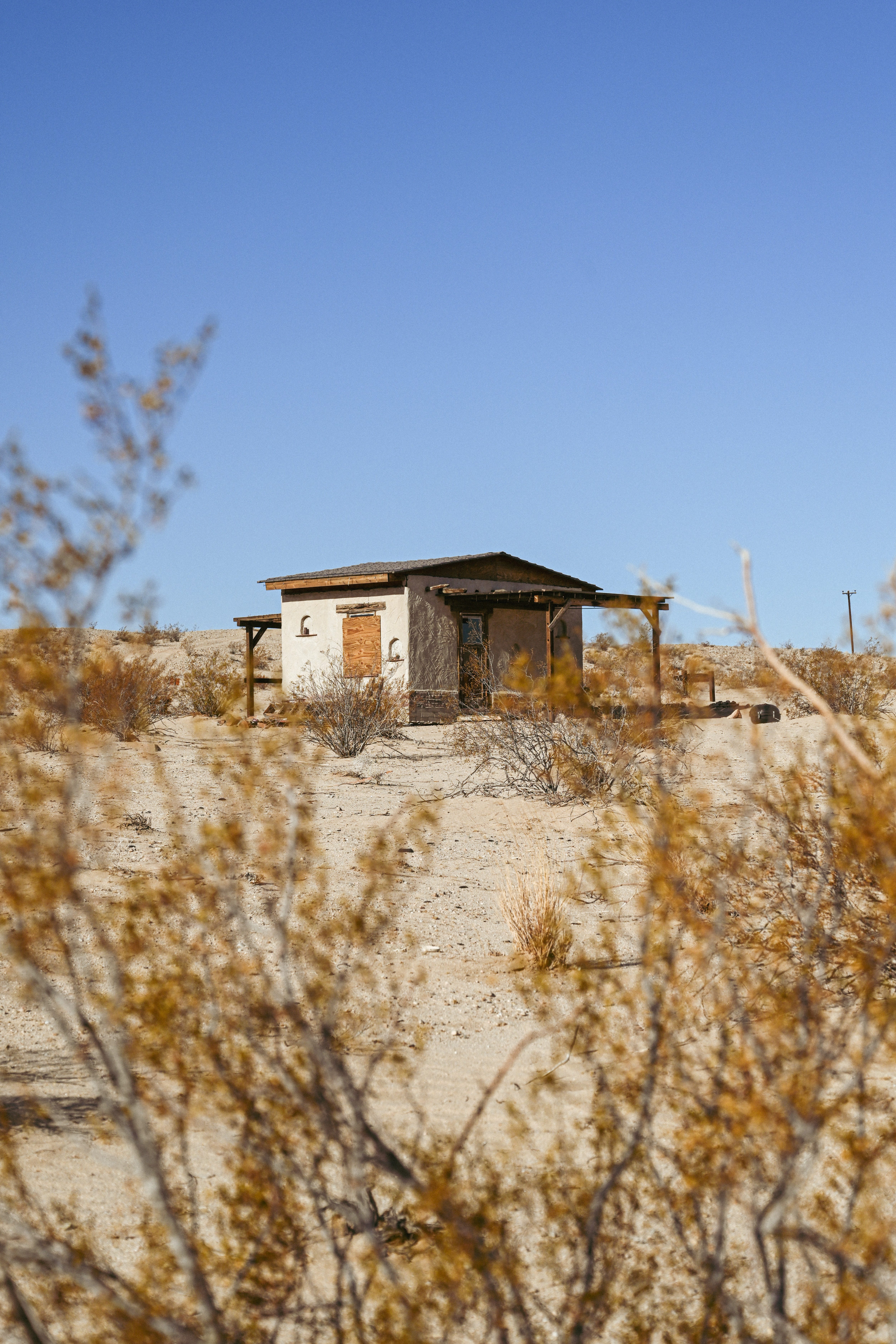
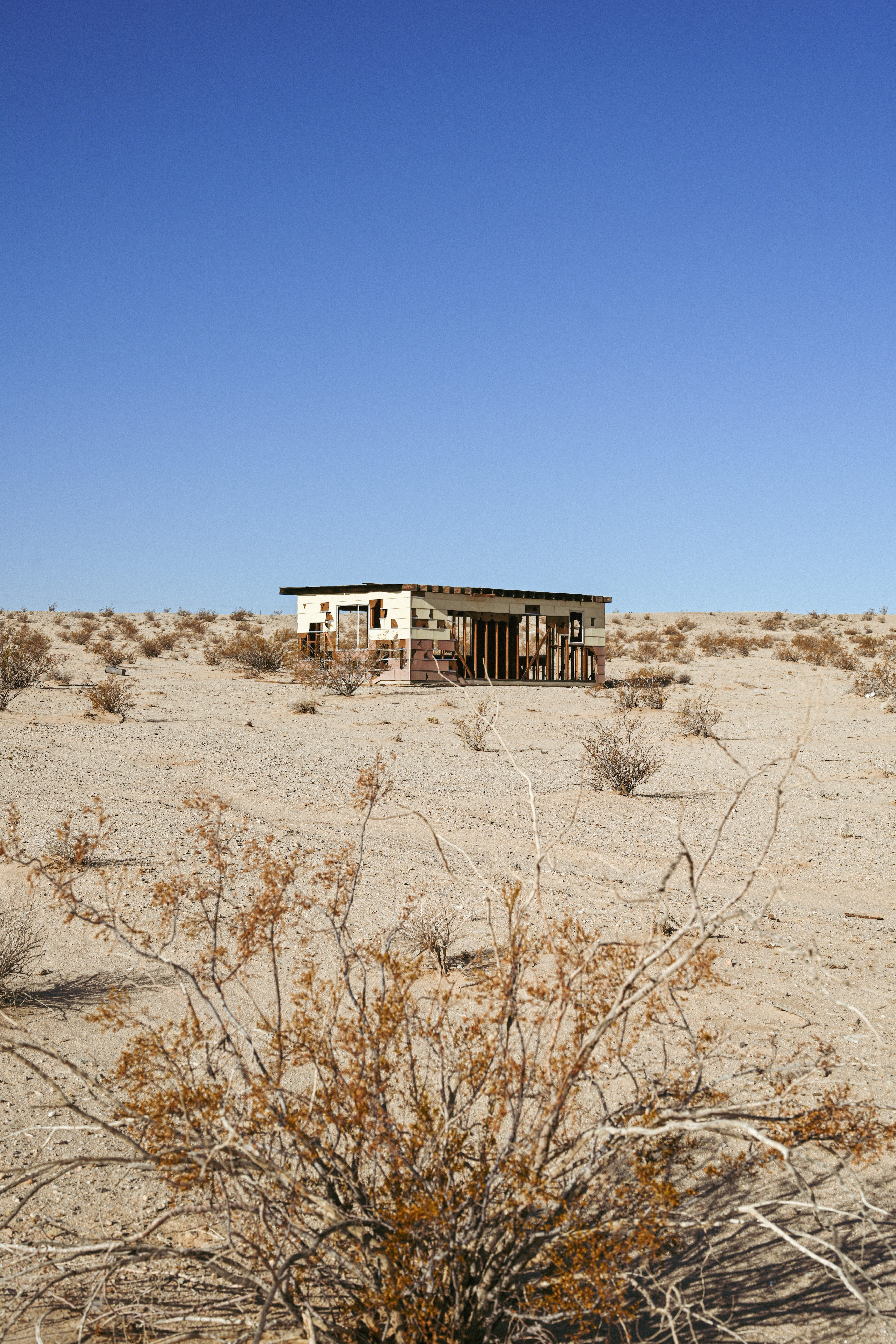
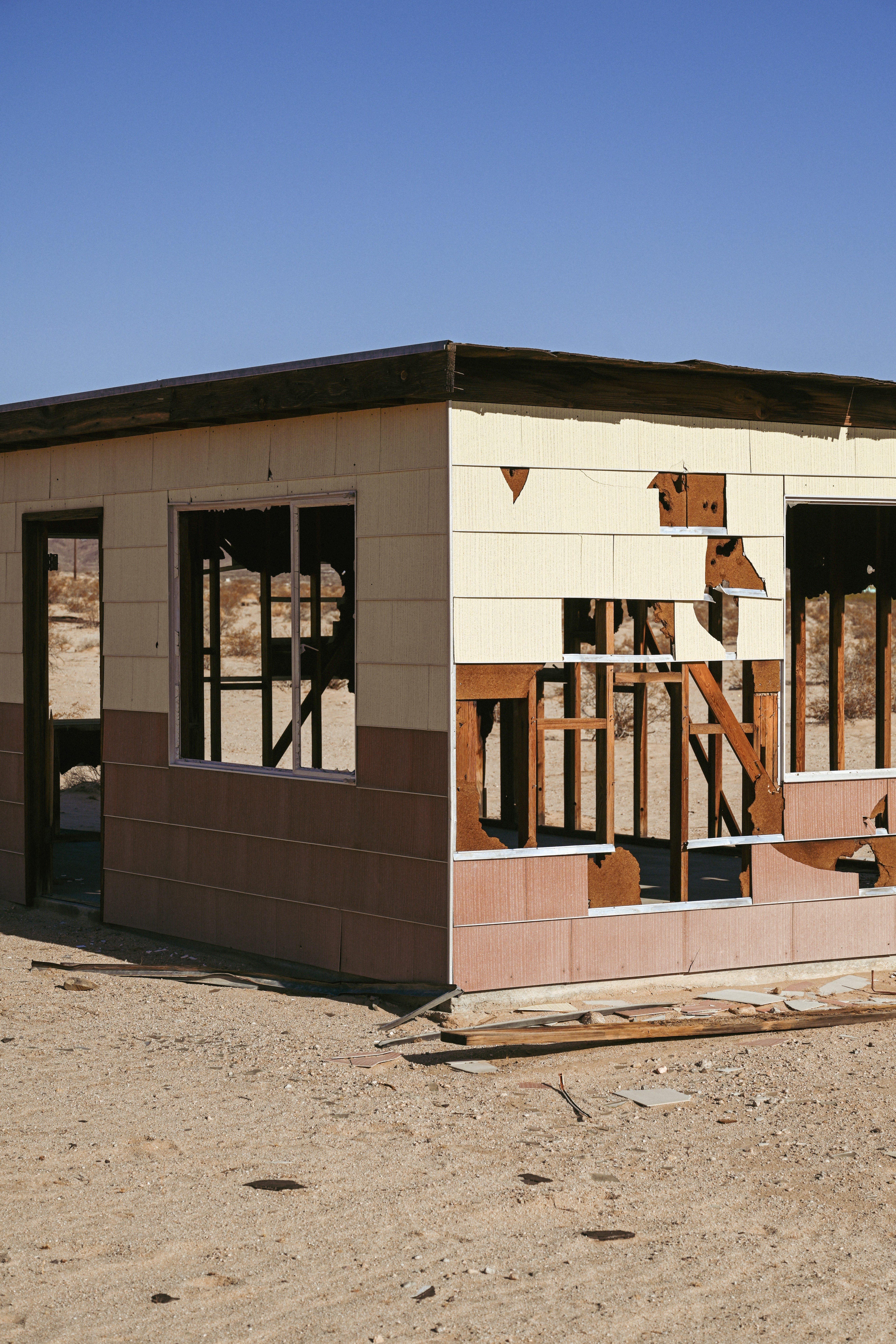
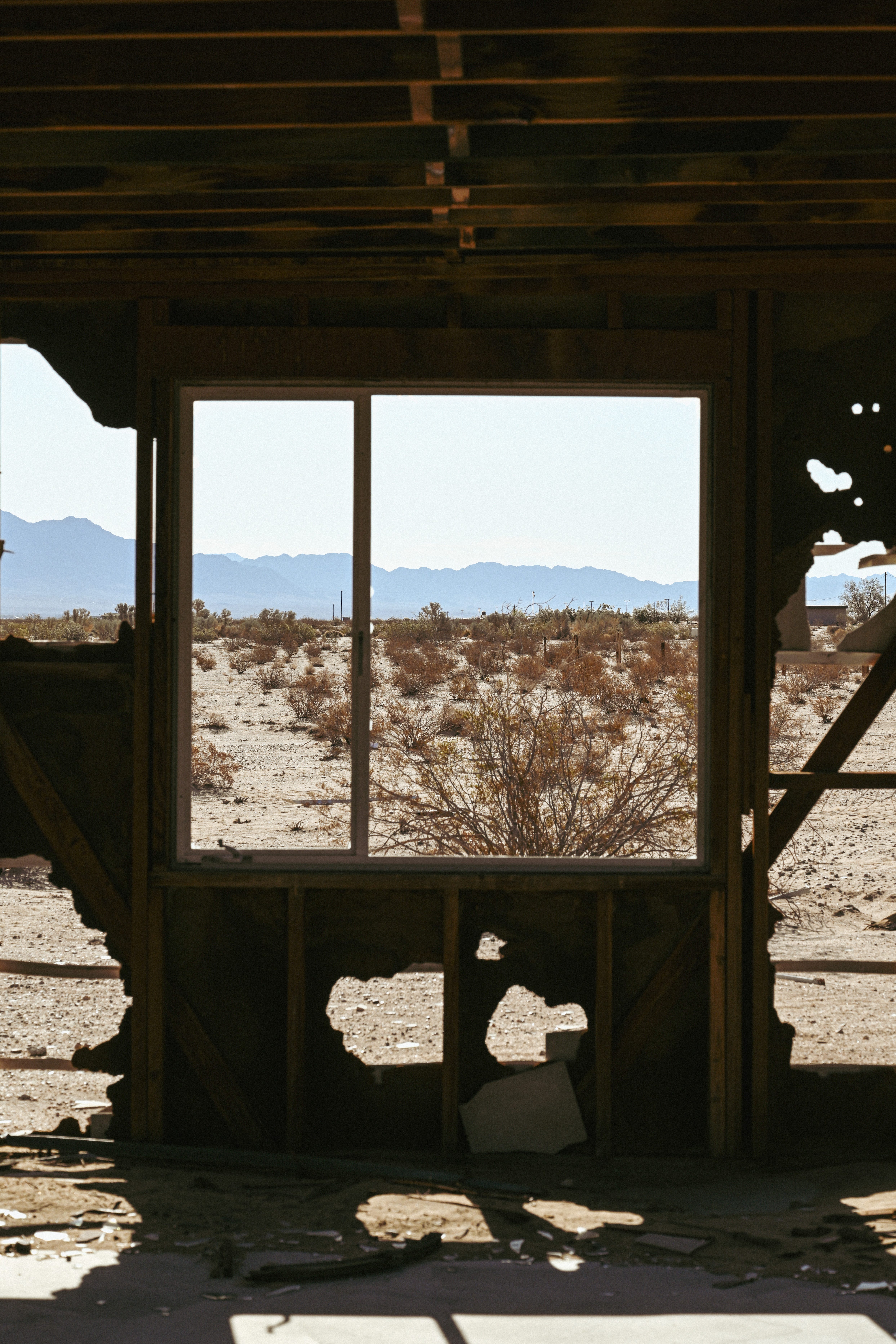
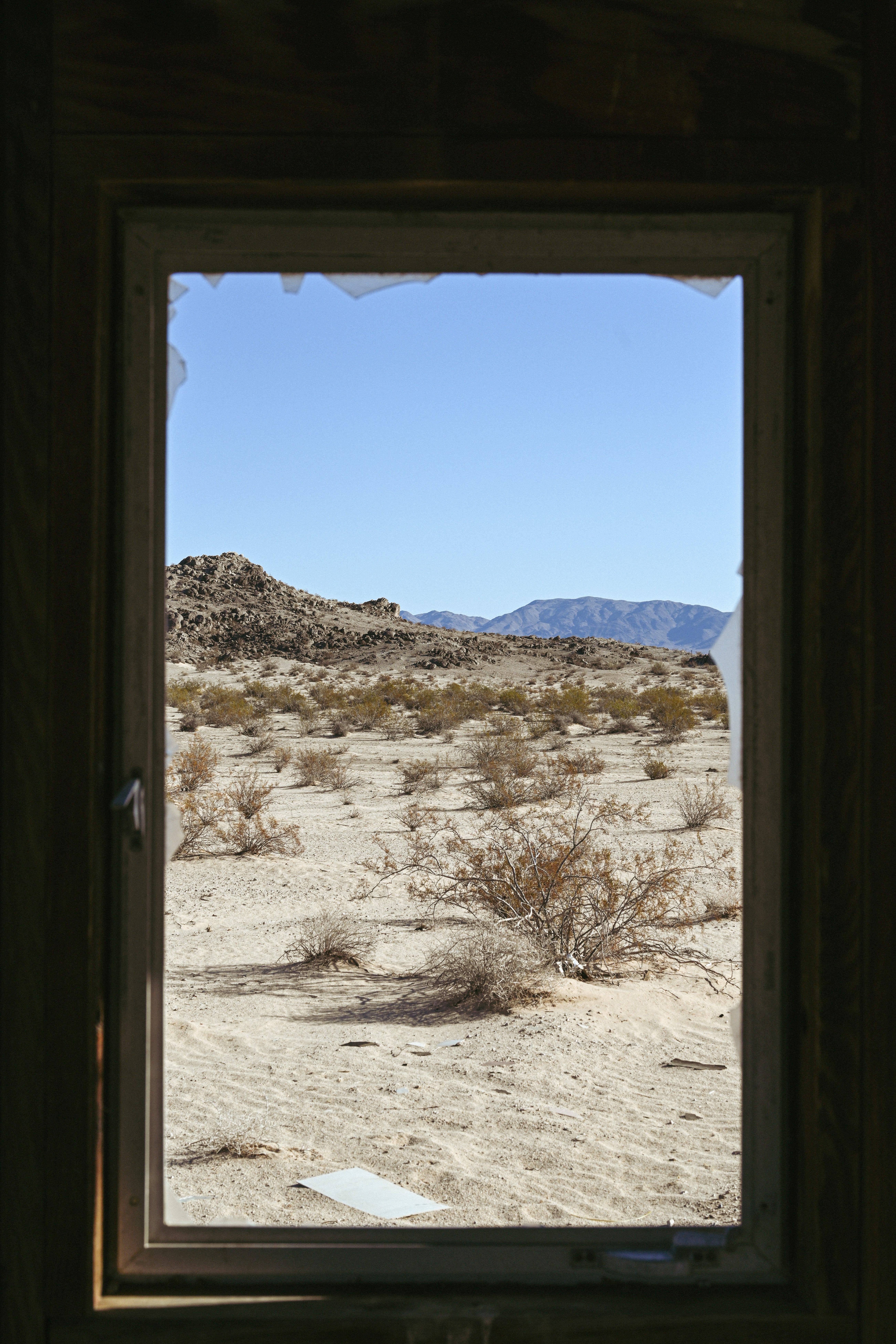
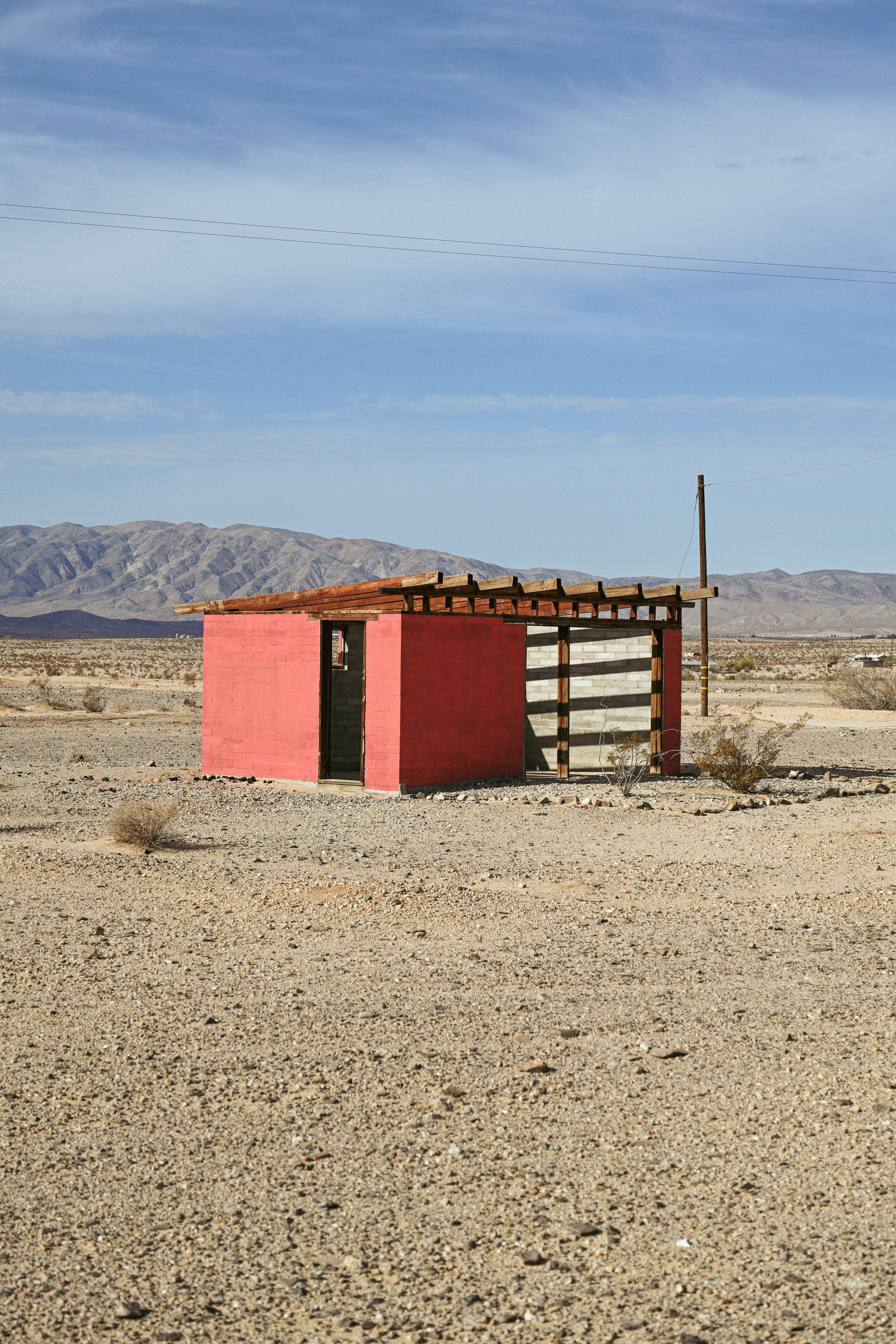
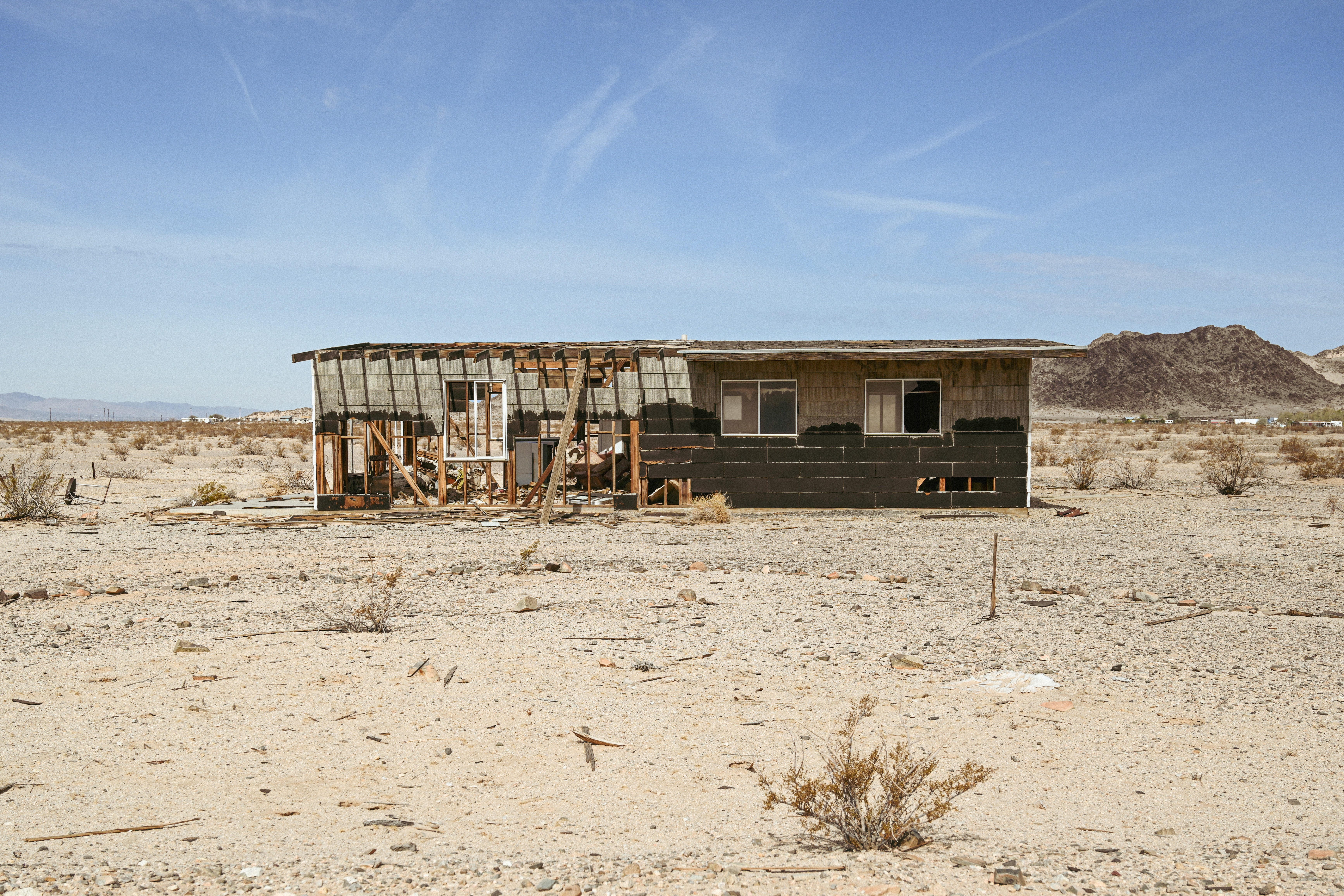
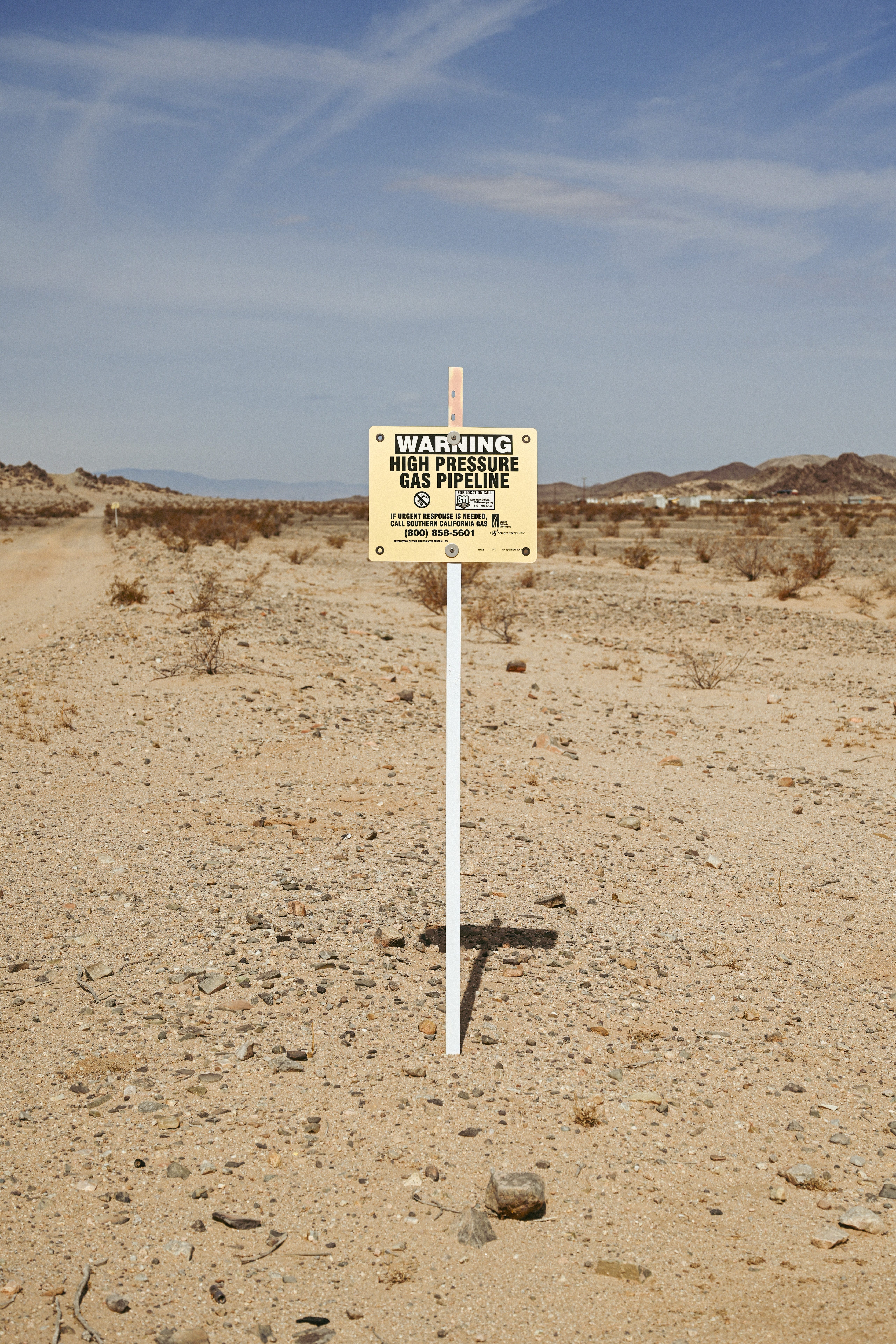
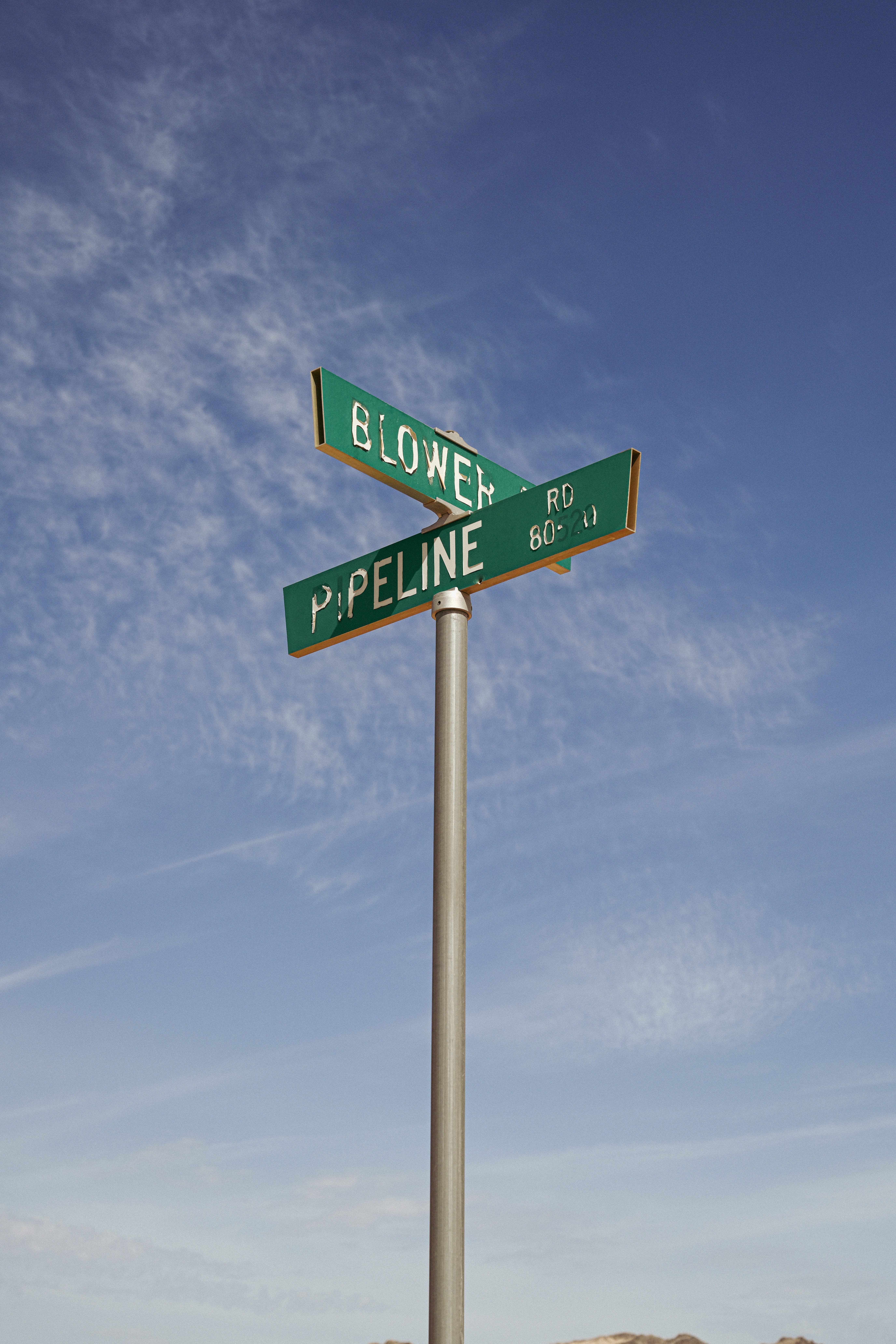
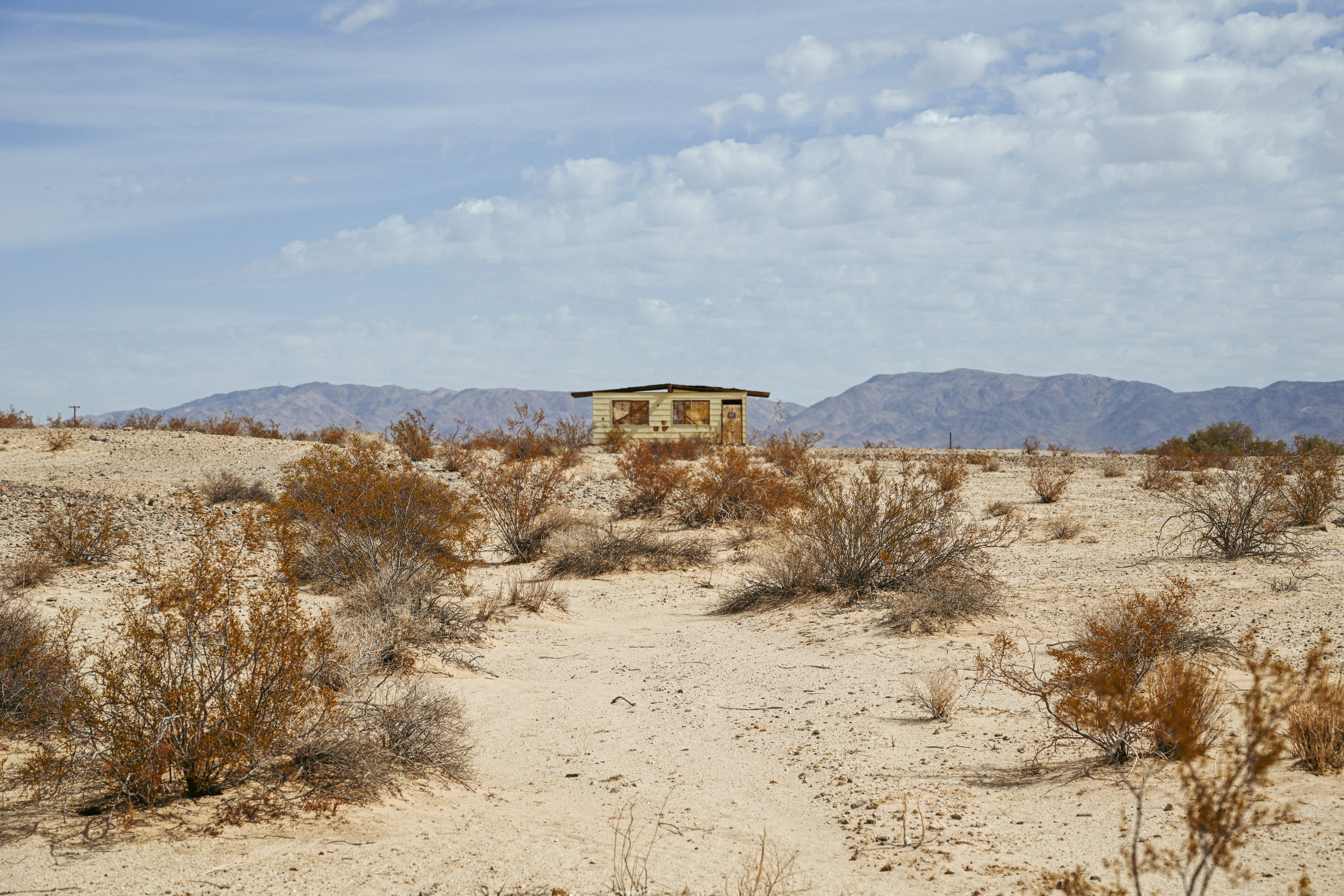
In such a beautiful part of the country, one of the most striking parts of the landscape in the area was the abundance of abandoned structures. They were impossible to miss, as defining a visual feature as the mountain peaks and the creosote bush. Naturally, I was so curious to learn their history — and needed to photograph them. This is the result.
Jackrabbit Homesteads
The history starts with a fascinating federal law passed nearly a century ago. The Small Tract Act of 1938 allowed the Secretary of the Interior to “lease or sell certain classes of public lands which he classifies as chiefly valuable for residence, recreation, business or community site purposes,” according to the National Archives. As the name suggests, the plots would be small — no more than 5 acres — and to eventually secure the deed to the land, people were simply required to make improvements to it.
Among the places this law would be put to great use, especially in the years following World War II, was San Bernardino County, which basically sits on top of Joshua Tree and stretches north encompassing the Mojave Desert. It coincided with a broader trend people moving away from the Los Angeles area and into the Southern California desert.
“In effect, this act has authorized a modern homestead program,” wrote Cal-Berkeley professor Kenneth R. Schneider, in a 1962 article in the Journal of the American Institute of Planners titled “Urbanization in the California Desert: Signs of Ultimate Dispersion.”
Before the law was scrapped in 1976, more than 50,000 permits were auctioned off, according to one account.1
The area I was staying, in particular, was a real hotbed for development driven by the Small Tract Act. It is known as Wonder Valley — an appropriate name, considering the hopes and dreams that likely inspired people to move out to this sparsely populated corner of the world. To this day, the idea of escaping to the vast desert expanse still captures the imagination of so many, just as it did back then.
“The more I thought of the world of real values these desert acres could open for me, the more anxious I became to locate them, because I was fast reaching the saturation point of city living. So much so, that there were mornings when the urge to drive out to the desert was so strong I could hardly resist it,” wrote Catherine Venn in a 1950 essay collection for Desert Magazine titled, “Diary of a Jackrabbit Homesteader.”
In the essays, Venn writes about leaving her job at city hall in Los Angeles to spend a year building her homestead in Riverside County, which is directly south of where I was in San Bernardino County. Venn’s writing — shoutout to Desert Magazine for having an easily accessible online archive of PDFs — provided valuable context on the history of these structures for a few reasons.
It makes clear the desire to leave city life behind — or the “treadmill of city life,” as Venn put it in one essay — is hardly confined to the Van Life Era. I knew that, but reading a first-person account of someone who took advantage of the Small Tract Act provided a greater appreciation of the area’s backstory.
Another main benefit of Venn’s essays: They also make it clear that homesteading out there is not for the faint of heart. In the August 1950 essay, she wrote that her first night in her cabana was the “longest night of her life,” featuring howling wind and howling coyotes. She would spend some early nights sleeping in her car. It didn’t take long before "most of the composition shingles on one side of my roof were standing straight up,” she wrote.
Now, Venn would overcome these early difficulties and remain on her homestead. In a beautiful passage from her November 1950 essay, she writes after four months on the land: “Yes, I had done little to improve my homestead but the desert had done much to improve me. Much more because I had been still—and listened, harkening to its ways and moods, brooding in its fathomless silences, absorbing its breathless beauty, its warmth and strength.”
But reading her tales, it doesn’t take long to realize why so many people would eventually throw in the towel, leaving behind a landscape littered with vacant homes. It was not an easy life, even if in some cases these homesteads were meant to just be a weekend getaway.
Apparently, it also did not take long for the landscape to get filled with abandoned houses, according to Schneider’s 1962 academic paper. Here’s what he wrote more than 60 years ago (emphasis mine):
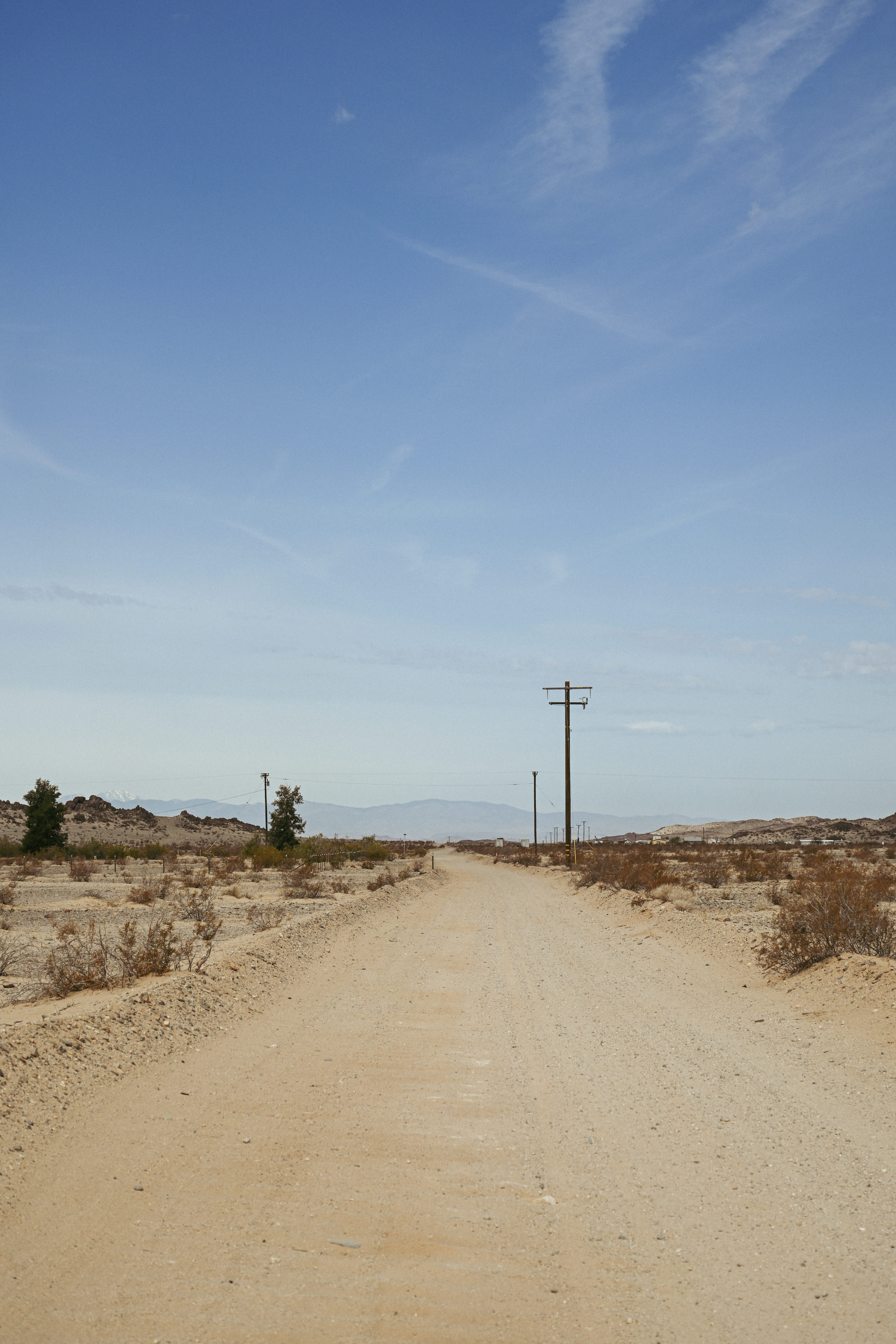
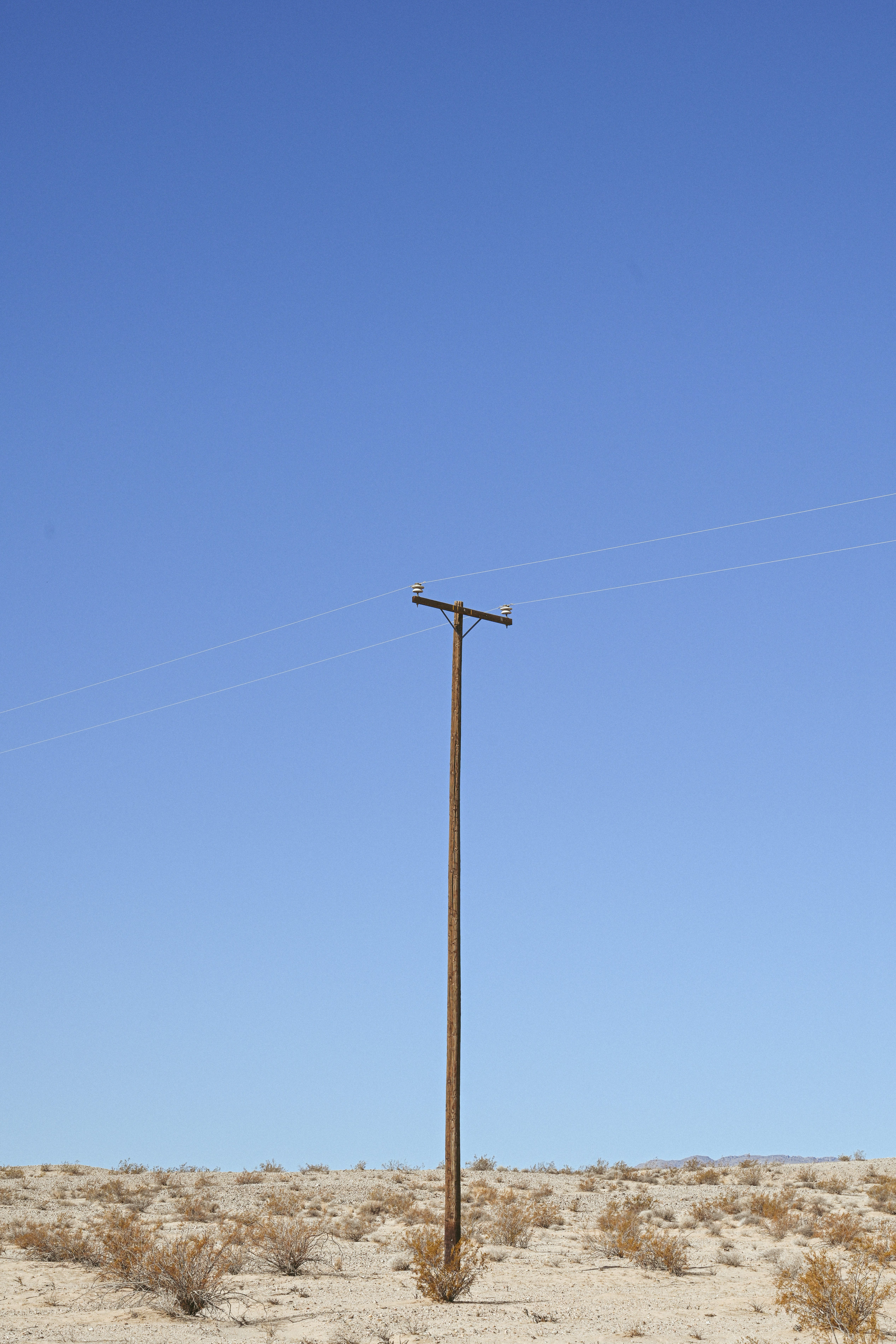
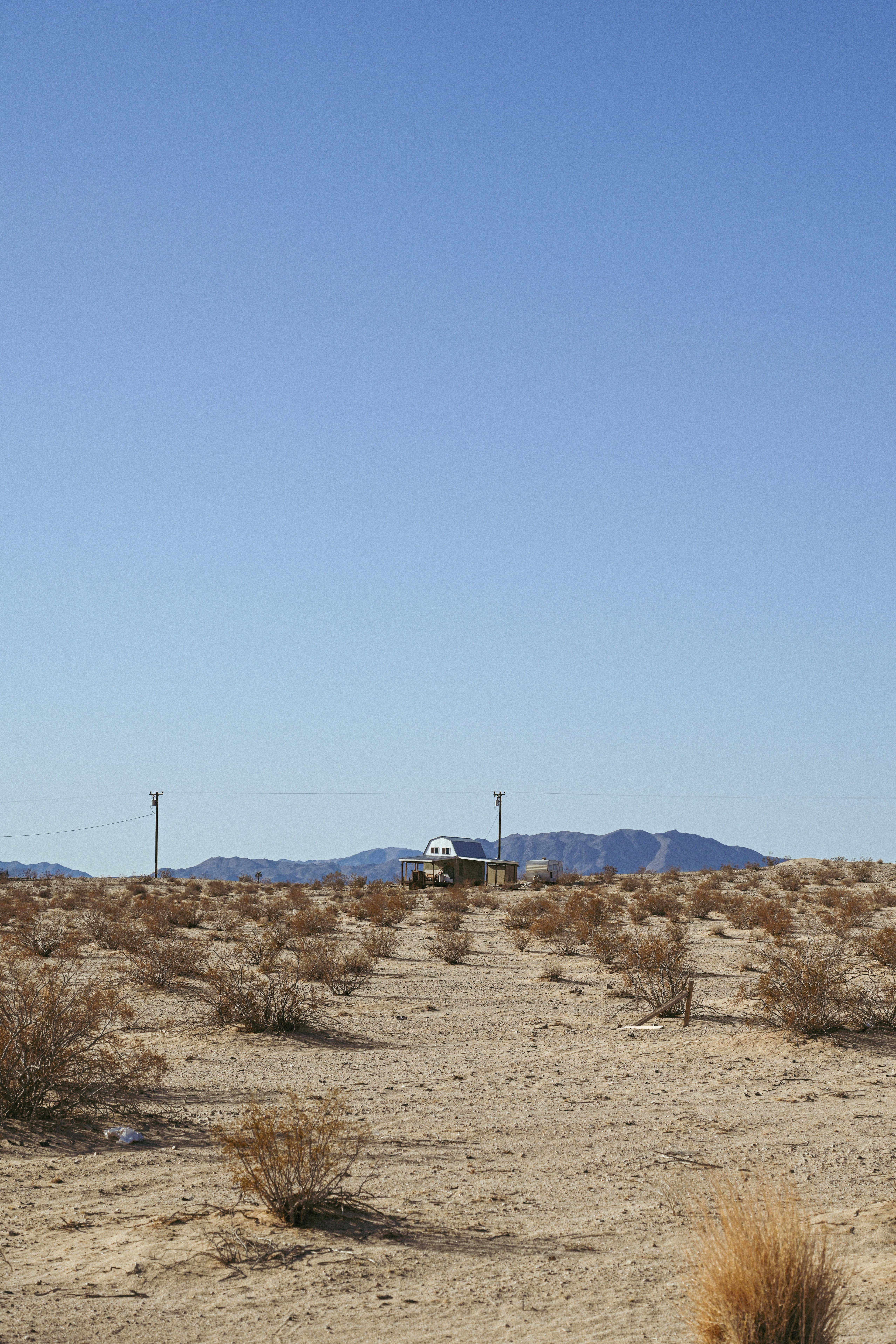
A typical, improved, small-tract parcel has an unfinished garage-sized, mass-produced shack that is especially designed for the small-tract market. There are rarely streets, utilities, or other ground improvements. In most areas one can pass a hundred vandalized vacant structures before finding an occupied or substantial one. Probably only a car trail and an electric power line would lead to that occupied house; an outhouse and propane tank would be evident; often a tank for imported water would be adjacent to the kitchen.
To be sure, my observations are hardly exhaustive — rather, they’re based on a few hours of walking down Wonder Valley’s sand roads on two different mornings. Still, it is remarkable that, even by 1962, abandoned structures were such a dominant feature of the landscape, just as they are today. Schneider called the legislation “plainly a failure,” and argued it “unequivocally promoted the widest scatter-ing, the greatest isolation, and much of the worst development in the Southern California desert.”
Fourteen years later, the Small Tract Act was repealed. Yet, its fingerprints haven’t gone anywhere, even as development and population growth in the broader region has accelerated beginning in the 1990s.2
Now, without further ado, let’s get to the photos from my walks.
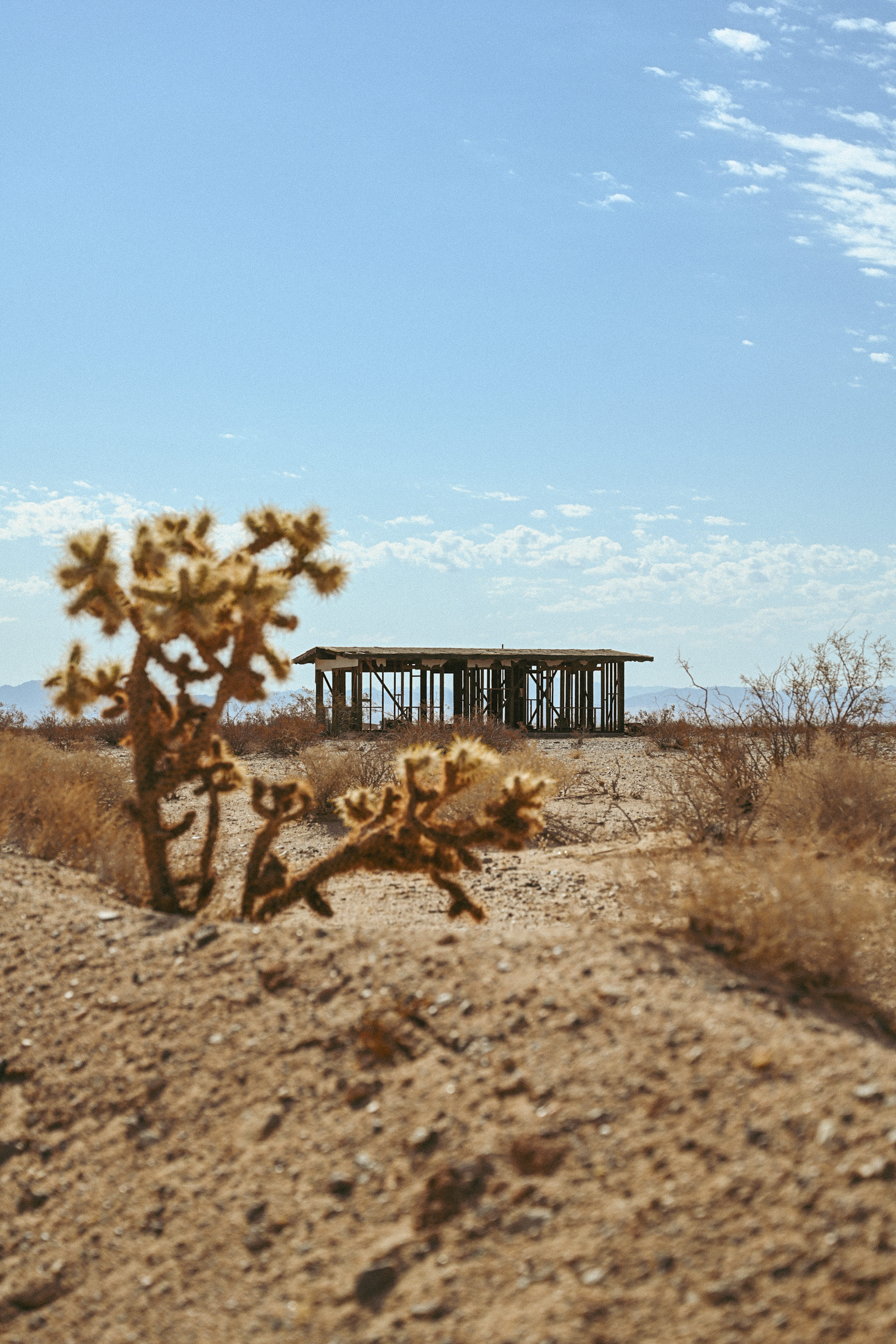
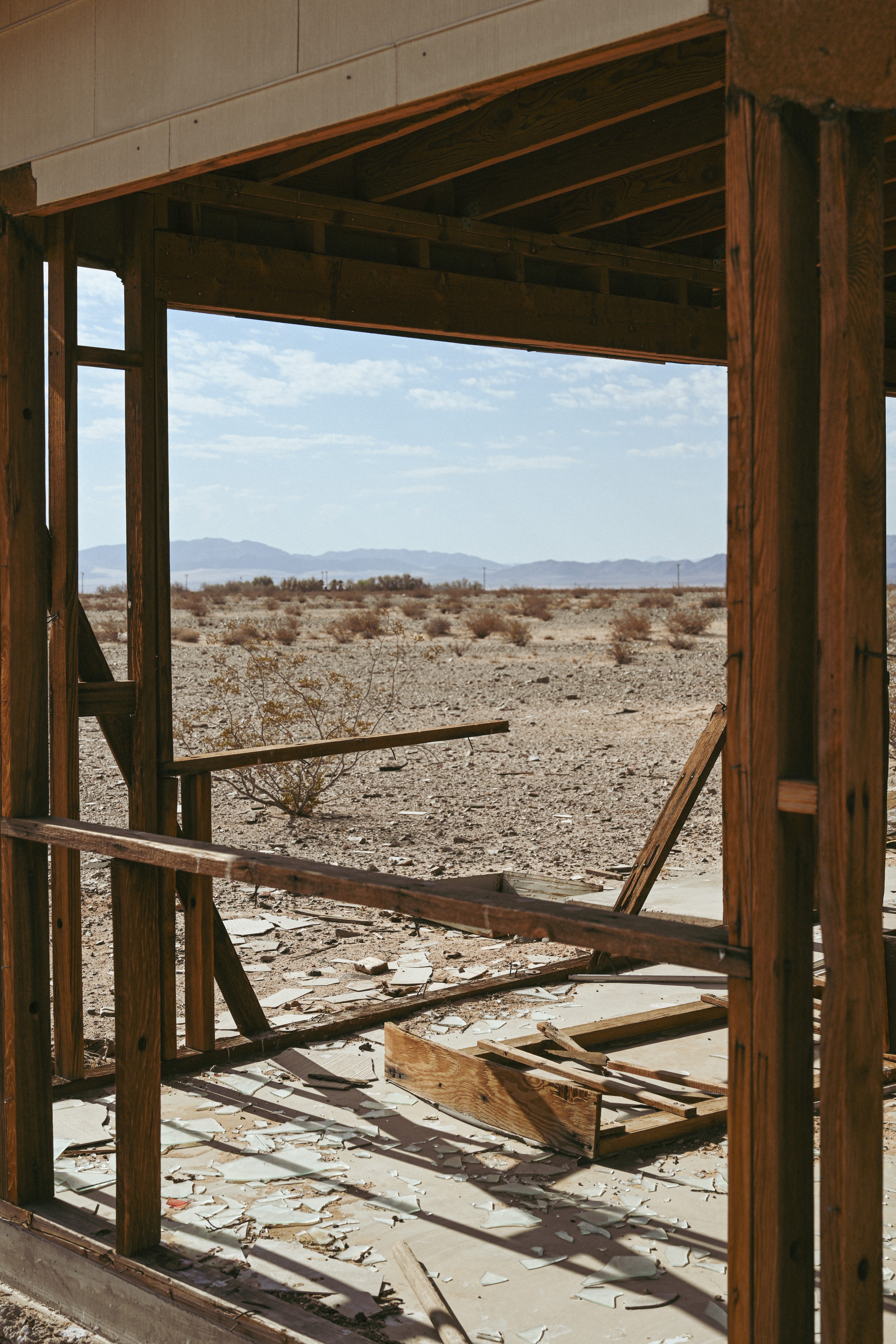
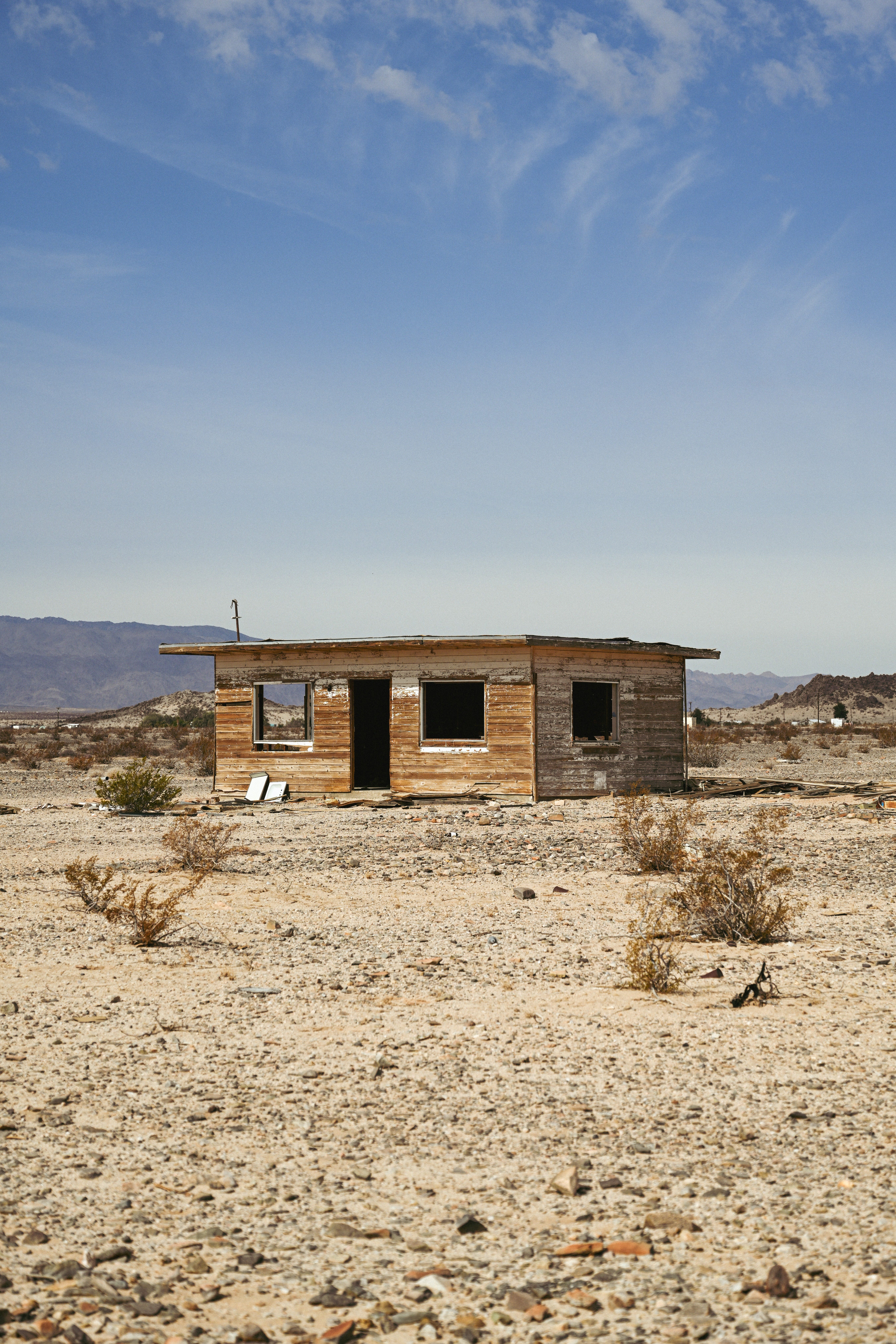
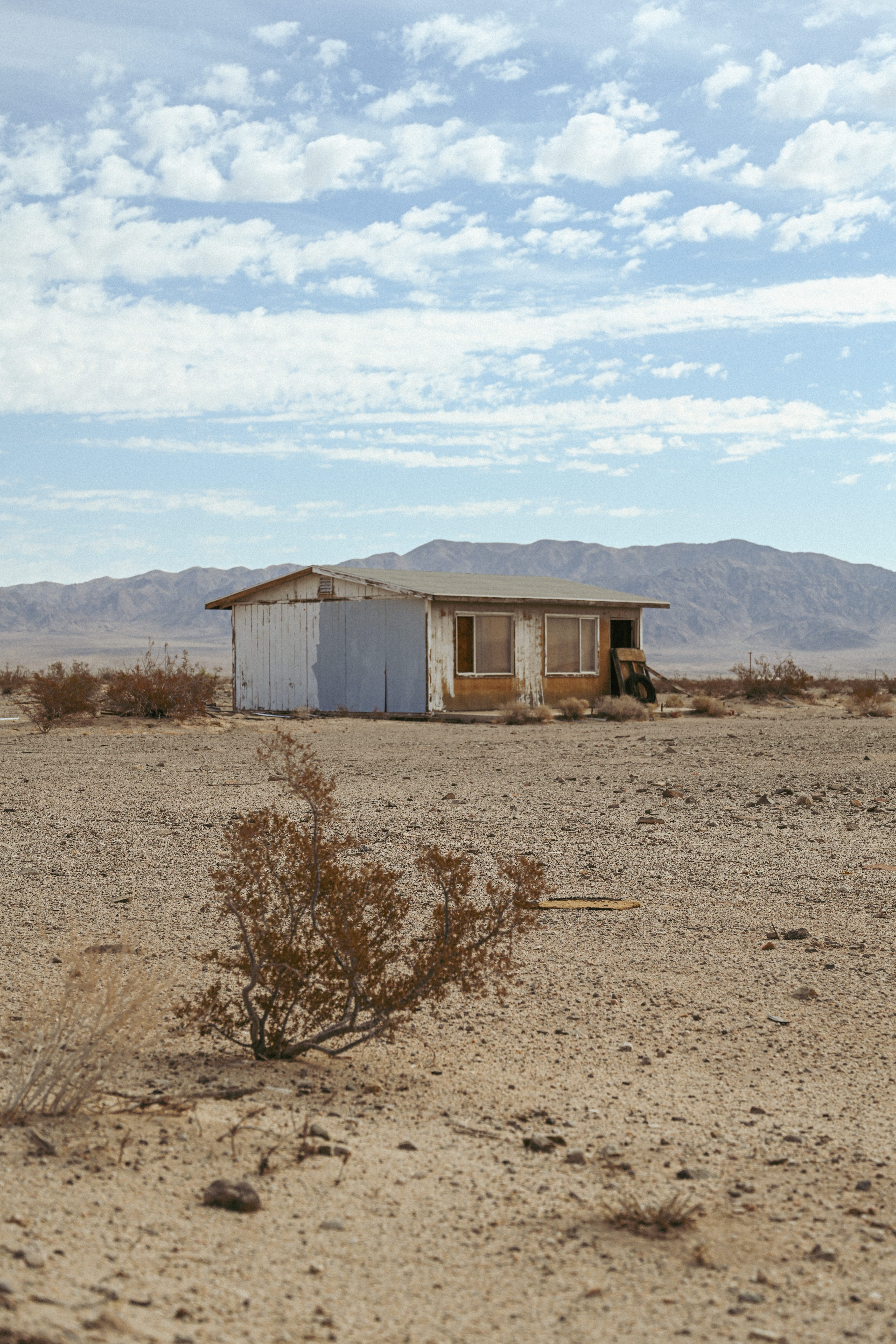
Music musings …
The musical artist I’m spotlighting this time is a New Jersey songwriter named Bruce Springsteen. Anyone familiar? In seriousness, the reason he gets the nod is that I’ve been listening to even more Bruce than normal in the past month. On my way out to California, a friend asked me if I could make them an introductory playlist because they wanted to embark on their first deep-dive into his music.
Obviously, I took them up on the offer and made the playlist — titled “A Big Advance.” A few of his biggest hits were intentionally left off under the assumption that they had heard songs like “Born to Run” before. What I love about Bruce’s music is the way he writes so honestly about the unflattering and difficult parts of life, while also maintaining an enduring optimism about what life could be. That informed my song choices for the playlist, and the hopes and dreams so common throughout Bruce’s music pairs well with these images. Another one I included: “Radio Nowhere,” the source of this newsletter’s title.
Here’s a link to the playlist. Enjoy it. And, as always, thanks so much for reading.
Mike Kohout (19 Apr 2024): The suburbanization of California’s deserts, Journal of Urban Affairs, DOI: 10.1080/07352166.2024.2340544
The source here also Mike Kohout’s 2024 paper. The population of the Mojave desert in 2020 was more than double 1990 levels, increasing to 865,000 from 379,400.
*sent here by Chris Manning!
your photos are amazing! appreciate the introduction to Desert Magazine — i'm excited to dig through their archives. thank you for sharing!
Ah yes, leaving the treadmill of city life. Good read and pictures Kev.